Wrongfully yours podcast

What we're about
Dear Listeners,
The effects of wrongful convictions are far reaching; they touch us all.
With the help of this podcast, I set out to talk about wrongful convictions with the people who have been touched by them. Sometimes this is an exoneree, and sometimes this is someone working in the field, and sometimes it's just someone with an interest and a passion, but regardless of their role, they each bring a different perspective to help us appreciate the magnitude of the problem.
I invite you to join me for each episode as I continue my conversations with those whose lives have been impacted by a wrongful conviction.
Until the next time, I remain, Wrongfully Yours.
podcast guests -season 2
John Edwards of The Ohio 4 - Episodes 17 & 18
John Edwards of The Ohio 4 - Episodes 17 & 18
John Edwards of The Ohio 4 - Episodes 17 & 18

In this powerful and deeply unsettling episode, Kelly speaks with John Edwards who has spent more than 32 years incarcerated for a double homicide he maintains he did not commit despite no physical evidence linking him to the murders. Throughout the conversation, he recounts how he and several associates were targeted by Ohio law enforcement in the late 1980s and early 1990s after becoming visible in the local drug trade.
This conversation exposes the devastating human cost of informant-driven prosecutions, prosecutorial misconduct, and the nearly impossible road from conviction to exoneration.
Dr. Akua Jackson - Episode 19
John Edwards of The Ohio 4 - Episodes 17 & 18
John Edwards of The Ohio 4 - Episodes 17 & 18
In this conversation, Kelly and Dr. Akua Jackson discuss the complexities of wrongful convictions, particularly focusing on the Ohio Four case. Dr. Jackson shares her personal journey into the world of wrongful convictions, influenced by her brother's own wrongful conviction. They explore the emotional and societal impacts of wrongful convictions, the challenges faced in proving innocence, and the political dynamics within the justice system. The conversation emphasizes the importance of public advocacy and pressure to seek justice for those wrongfully convicted.
Jia Rizvi - Episodes 20 & 21
John Edwards of The Ohio 4 - Episodes 17 & 18
Dr. Jan Canty- Episodes 22 & 23
In these conversations, Kelly speaks with award winning film maker, Jia Rizvi about her journey into the world of wrongful convictions and advocacy. Jia shares her personal experiences that led her to become an advocate for those wrongfully convicted, including her work on Jeffrey Deskovic's case and the impact of her documentary work. Jia talks about the importance of storytelling in creating empathy and understanding around this critical issue, and she reminds us of the importance of authenticity in telling the stories of exonerees.
Dr. Jan Canty- Episodes 22 & 23
Linda Gallant - Episodes 26 & 27
Dr. Jan Canty- Episodes 22 & 23
In these conversations, Kelly is joined by Dr. Jan Canty. Together they explore the complex intersections between homicide survivors and wrongful convictions. They discuss the psychological impact of loss, the misconceptions surrounding grief, and the often impersonal nature of the legal system. Dr. Canty shares her experiences as a homicide survivor and her advocacy for both victims and the wrongly convicted, emphasizing the need for systemic change and public awareness. The conversation highlights the importance of personal stories in shifting public perception and the necessity of peer support for those navigating the justice system.
Ron Dalton - Episodes 24 & 25
Linda Gallant - Episodes 26 & 27
Linda Gallant - Episodes 26 & 27
In these conversations, Canadian exoneree, Ron Dalton, shares his excruciating journey through wrongful conviction, detailing the events that led to his arrest, the challenges he faced during his trial, and the long road to exoneration. He discusses the systemic issues within the justice system that contributed to his wrongful conviction and highlights the importance of advocacy work in preventing similar injustices. Now a co-president of Innocence Canada, Ron reflects on his life after prison, the guilt he felt for his family's suffering, and his commitment to helping others who have been wrongfully convicted.
Linda Gallant - Episodes 26 & 27
Linda Gallant - Episodes 26 & 27
Linda Gallant - Episodes 26 & 27
In these episodes, Kelly is joined by Linda Gallant, sister of Ron Dalton. Together they discuss her family’s harrowing journey after Ron’s wrongful conviction in 1989. Linda opens up about the emotional toll the ordeal took on her family, the misleading and often disheartening interactions with law enforcement, and the long, exhausting battle through the legal system. She reflects on how wrongful convictions reverberate far beyond the individual, reshaping family dynamics, testing resilience, and leaving lasting scars. The conversation also explores the importance of advocacy, the challenges exonerees face even after release, and the lessons Linda has drawn from decades of navigating the justice system.
Monique Steele - Episodes 28 & 29
In these episodes, Kelly is joined by Monique Steele, who was only a teenager when her family friend, Ron Dalton, was wrongfully convicted. Through these conversations, Monique shares her unique perspective on wrongful convictions, stemming from her childhood experience with Ron’s case. She reflects on the impact of the legal system on families, the stigma faced by exonerees, and the importance of understanding the broader implications of wrongful convictions beyond the headlines. Monique emphasizes the need for compassion and deeper inquiry into the lives affected by such cases, highlighting the ongoing challenges faced by those wrongfully convicted and their families.
A Time to Reflect - Episode 30
In this episode, Kelly reflects on the past six months and examines the personal and systemic realities of wrongful convictions through the voices of exonerees, psychologists, advocates, survivors, and family members. She revisits key conversations that reveal how wrongful convictions ripple outward, ultimately affecting families, communities, and public trust, and she explores the psychological, emotional, and structural harms that persist long after the courtroom. This episode emphasizes the importance of truth-telling, accountability, and collective responsibility, while reaffirming the role of listening, reflection, and sustained action in the ongoing pursuit of justice.
Leslie Vass - Episodes 31 & 32
In these episodes, Kelly is joined by American exoneree Leslie Vass. Leslie shares how a routine trip to a neighborhood store at age 17 led to his wrongful arrest and conviction for armed robbery in Baltimore in 1975 . He recounts the mistaken eyewitness identification, ignored exculpatory evidence, and ineffective legal representation that resulted in him being sentenced as an adult to 20 years in prison despite having no prior record. Although Leslie was eventually released after nearly a decade of incarceration, he explains how the injustice did not end there. Decades later, the conviction continues to follow him despite a full pardon and multiple expungement orders. Now an advocate for the wrongfully convicted, Leslie’s story highlights the lasting harm of wrongful convictions and the reality that being released does not always mean being free.
Deborah Francois - Episodes 33 & 34
Deborah Francois - Episodes 33 & 34
In these episodes, Kelly is joined by civil rights attorney, Deborah Francois. Together they delve into the complex world of wrongful convictions by exploring Deborah's work that is dedicated to helping those who have been wrongfully convicted. They discuss the emotional and procedural challenges faced by exonerees, the role of luck in securing justice, and the systemic flaws that contribute to wrongful convictions. The conversation highlights the human side of justice, the need for accountability, and the importance of supporting exonerees as they reintegrate into society after years of wrongful imprisonment.
Humza Hussain - Episodes 35 & 36
Deborah Francois - Episodes 33 & 34
Humza Hussain - Episodes 35 & 36
In these episodes, Kelly is joined by criminal defence lawyer, Humza Hussain, for an in-depth look at the realities of defending clients within Canada’s justice system. Together, they explore the emotional and ethical weight of representing both guilty and innocent clients, the immense pressure lawyers face when they believe in a client’s innocence, and the systemic hurdles that make wrongful convictions possible. Humza offers insight into the limits of the presumption of innocence, the impact of police overreach, and the challenges of navigating high-stakes charter litigation. The conversations shed light on the human toll of criminal prosecution, the need for true accountability on all sides of the courtroom, and the compassion that drives those who fight to protect the most vulnerable.
The Moments - Episode 37
Deborah Francois - Episodes 33 & 34
Humza Hussain - Episodes 35 & 36
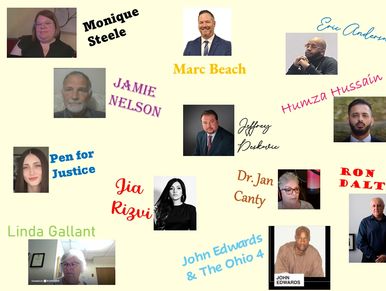
In this special episode, Kelly revisits some of the most impactful moments from our guests and reflects on the conversations that have shaped the podcast and the broader understanding of wrongful convictions. Through the voices of exonerees, advocates, lawyers, family members, students, and justice professionals, she explores the lessons, questions, and perspectives that continue to resonate long after each interview ends. Rather than simply looking back, this episode invites listeners to consider the bigger picture, highlighting the enduring human impact of wrongful convictions and reaffirming the importance of empathy, accountability, and continued dialogue in the pursuit of justice.
Site Content
Dan Grothaus - Episodes 38-40
Harris Bokneck & Fadi Zeto - Episodes 41-43
Harris Bokneck & Fadi Zeto - Episodes 41-43
In these episodes, Kelly is joined by wrongful conviction investigator Dan Grothaus who shares his journey from journalism to investigating wrongful convictions, highlighting the systemic flaws in the criminal justice system. He discusses the importance of thorough investigations, the dynamics of witness testimonies, and the need for accountability among prosecutors. Through case studies, he illustrates how the media's role and the prosecutorial mindset can impact the pursuit of justice. The conversation emphasizes the necessity for systemic change to ensure that the legal system prioritizes truth over finality.
Harris Bokneck & Fadi Zeto - Episodes 41-43
Harris Bokneck & Fadi Zeto - Episodes 41-43
Harris Bokneck & Fadi Zeto - Episodes 41-43
In these episodes, Kelly is joined by Harris Bocknek and Fadi Zeto, two men whose lives were upended after they became the focus of a major criminal investigation involving allegations of stolen vehicles and fraud. Although neither man was ultimately convicted, they experienced many of the devastating consequences associated with wrongful accusations, including police raids, intense public scrutiny, reputational damage, financial hardship, and the ongoing challenge of clearing their names.
Harris and Fadi reflect on what it means to be wrongfully accused in the digital age, where media coverage and social media can shape public perception long after charges have been withdrawn. They also discuss their ongoing legal battles with Ontario regulatory bodies, the continuing impact of their accusations, and their efforts to hold institutions accountable. Their story highlights the lasting consequences of wrongful accusations and the resilience required to keep fighting for justice long after the original battle appears to be over.
Gregg Owen - Episode 44 & 45
Harris Bokneck & Fadi Zeto - Episodes 41-43
What We Think We Know - Episode 46
In these conversations, Kelly is joined by former prosecutor Gregg Owen for a candid look at wrongful convictions and the criminal justice system from the prosecutor’s perspective. Gregg reflects on his years prosecuting serious cases in Chicago, including the pressures prosecutors face, the role of ethics and accountability, and the responsibility to ensure that the right person is being prosecuted. Their conversation explores the realities of working within a justice system that Gregg describes as deeply corrupt, as well as the unpredictability of jury trials and the importance of preparation, evidence, and effective advocacy. Together, these conversations offer a rare perspective on wrongful convictions from someone who spent his career on the prosecution side of the courtroom. Gregg speaks openly about the moral responsibilities of prosecutors, the importance of perseverance, and the idea that justice is not automatic. It requires people within the system to recognize when something is wrong and have the courage to act.
What We Think We Know - Episode 46
What We Think We Know - Episode 46
What We Think We Know - Episode 46
In this episode, Kelly reflects on the past six months of Wrongfully Yours and revisits conversations with exonerees, lawyers, investigators, advocates, and individuals whose lives have been profoundly affected by the criminal justice system. Through their stories, she examines recurring themes of certainty, tunnel vision, institutional resistance, public judgment, and the lasting consequences of wrongful convictions and accusations. The episode considers what these conversations reveal about the gap between how we imagine justice works and how it is actually experienced, while emphasizing the importance of listening, questioning assumptions, accountability, and the willingness to acknowledge and correct mistakes. Ultimately, Kelly reflects on the human stories behind wrongful convictions and the ongoing responsibility to learn from them in the pursuit of a more just and accountable system.
Be Sure to Come Back for Season!
What We Think We Know - Episode 46
Be Sure to Come Back for Season!
Join us again in January for Season Three of Wrongfully Yours.
More important conversations. More stories that need to be heard. And, of course, more incredible guests.
Until then, thank you for listening, sharing, and being part of the conversation!